
A few Anti-aging tips (in easy chunks)
𝐀𝐧𝐭𝐢-𝐀𝐠𝐢𝐧𝐠 𝐒𝐤𝐢𝐧𝐜𝐚𝐫𝐞 𝐓𝐢𝐩 #1 : 𝐔𝐬𝐞 𝐀 𝐁𝐫𝐨𝐚𝐝-𝐒𝐩𝐞𝐜𝐭𝐫𝐮𝐦 𝐒𝐮𝐧𝐬𝐜𝐫𝐞𝐞𝐧 𝐄𝐯𝐞𝐫𝐲𝐝𝐚𝐲!
Skin damage from UV radiation accounts for 80-90% of all facial skin aging.
That’s huge!
However, this secret to looking younger is so often overlooked.
Many people think that they don’t need to wear sunscreen if it’s cloudy or if they are indoors all day. This is often due to the belief that sunburn and sun damage are one and the same, but this is not the case.
In fact, the damage from UVA radiation has often been overlooked as it requires 1000 x the radiation levels of UVB to cause sunburn. However, it is now known that UVA radiation is responsible for the majority of the skin damage associated with photoaging due to the fact that it is able to penetrate the dermis (UVB only penetrates the epidermis due to its shorter wavelength). Another common misconception involves moisturizers and foundations with ‘added SPF’. Firstly, the amount of product typically applied would not reach the level of advertised SPF protection and, secondly, SPF only protects against UVB and not UVA. For this reason, people often have a false sense of security and believe that they are protected from the harmful effects of UV radiation when using these products.
For optimal sun protection, choose a broad-spectrum sunscreen (both UVA & UVB protection) that is SPF30 or higher. There is not much added protection between SPF 30 and SPF 50 (97% vs 98% UVB blocked/absorbed), but higher SPF’s are often required to offer higher UVA protection due to the SPF/UVAPF ratios required by some sunscreen regulations (e.g. the EU).
𝐀𝐧𝐭𝐢-𝐀𝐠𝐢𝐧𝐠 𝐒𝐤𝐢𝐧𝐜𝐚𝐫𝐞 𝐓𝐢𝐩 #2: 𝐔𝐬𝐞 𝐀𝐧 𝐀𝐧𝐭𝐢𝐨𝐱𝐢𝐝𝐚𝐧𝐭 𝐒𝐞𝐫𝐮𝐦!
Both UV radiation and smoking, as well as a number of other extrinsic aging factors, cause the production of free radicals, such as reactive oxygen species (ROS), that damage DNA and alter gene expression pathways. These alterations can lead to the break-down of collagen and build-up of elastin, as seen in photo-aged skin.
Unfortunately, sunscreen is only able to block 55% of the free radicals produced by UV exposure and, alone, provides no protection from the free radicals produced from other forms of solar radiation such as infrared radiation and visible light.
Visible light, itself, accounts for 33% of the free radical production in the skin after exposure to solar radiation (UV radiation accounted for 67%). However, antioxidants are molecules that co-exist to protect the skin from free radicals, including ROS. In fact, antioxidants can reduce the production of free radicals by up to 78%. This means that they can ‘mop-up’ the damage done by the sun, pollution, and smoking and help prevent the breakdown of collagen.
One antioxidant in particular, vitamin C, is essential for collagen synthesis in the skin which means it offers a more general anti-aging effect as well. Plus, a number of antioxidants can improve inflammatory skin conditions and reduce hyperpigmentation.
𝐀𝐧𝐭𝐢-𝐀𝐠𝐢𝐧𝐠 𝐒𝐤𝐢𝐧𝐜𝐚𝐫𝐞 𝐓𝐢𝐩 #3: 𝐇𝐲𝐝𝐫𝐚𝐭𝐞 𝐘𝐨𝐮𝐫 𝐒𝐤𝐢𝐧!
Have you ever noticed your skin looking older after a heavy night, or used a skincare product that appeared to reduce fine lines almost instantly?
If you have, this wasn’t due to sudden aging or anti-aging but due to the fact that your skin was dehydrated.
Dehydrated skin leads to a dull, uneven skin tone and fine lines that are suddenly more visible. Dehydrated skin can result from aging, sun exposure, pollution, ambient conditions (e.g. temperature & humidity), and certain medications. As you may notice, all of these are also extrinsic aging factors.
Another common cause of dehydrated skin is the use of harsh cleansing products that damage the skin’s barrier by decreasing skin surface lipids and damaging stratum corneum proteins.
The good news is that improving skin hydration can almost immediately improve the appearance of skin. Look for products and moisturizers with natural moisturizing factors (e.g. urea, lactic acid, amino acids) and lipids (e.g. fatty acids and ceramides). These ingredients can help strengthen the skin’s barrier (the stratum corneum), thus improving skin hydration by increasing the water content of the skin and reducing transepidermal water loss (TEWL; water lost from the skin). Hyaluronic acid is another excellent ingredient for skin hydration as it can bind up to 1000x its weight in water, locking more water into the skin.
As well as hydrating your skin from the outside, you can also improve skin hydration, as well as increasing overall body hydration, by drinking more water and less diuretic substances (e.g. coffee/tea, etc.) and alcohol.
However, it should be noted that coffee, black tea, green tea, and red wine all possess antioxidant activity and antioxidants are great for your skin.
𝐀𝐧𝐭𝐢-𝐀𝐠𝐢𝐧𝐠 𝐒𝐤𝐢𝐧𝐜𝐚𝐫𝐞 𝐓𝐢𝐩 #4: 𝐈𝐧𝐜𝐫𝐞𝐚𝐬𝐞 𝐒𝐤𝐢𝐧 𝐂𝐞𝐥𝐥 𝐓𝐮𝐫𝐧𝐨𝐯𝐞𝐫 & 𝐑𝐞𝐧𝐞𝐰𝐚𝐥!
One of the characteristics of aged skin (both intrinsically aged and extrinsically aged) is a reduced rate of skin cell turnover. This basically means that it takes longer for new skin cells to reach the surface of the skin.
However, certain products can increase skin cell turnover and keep skin looking younger. For example, topical retinoids are known to influence a variety of cellular processes and can increase the rate of skin cell turnover and cell renewal. This has a direct impact on wrinkle appearance and formation.
Another way that skin cell turnover and renewal can be achieved with cosmetics is by chemical exfoliation with alpha-hydroxy acids (AHAs) such as glycolic acid and lactic acid. AHA’s can also increase skin thickness and firmness, improve skin softness, and improve the appearance of fine lines and wrinkles.
Scientific Skincare Tip: Niacinamide can help keep skin hydrated during retinoid use. This is because niacinamide can increase the levels of stratum corneum lipids (ceramides, cholesterol, and fatty acid), which strengthens the skins barrier and decreases the amount of water lost from the skin (transepidermal water loss - TEWL). The research regarding this generally used niacinamide as a pretreatment. In other words, participants were given niacinamide to use daily for a period of time prior to commencing retinoid treatment. However, niacinamide can also be used as a buffer for retinoids - meaning that it can be applied beforehand in the same routine (leaving enough time for it to properly absorb into your skin before applying your retinoid of choice).
𝐀𝐧𝐭𝐢-𝐀𝐠𝐢𝐧𝐠 𝐒𝐤𝐢𝐧𝐜𝐚𝐫𝐞 𝐓𝐢𝐩 #5: 𝐃𝐨𝐧'𝐭 𝐒𝐦𝐨𝐤𝐞!
Smoking reduces the blood flow to the skin, which, in turn, deprives the skin of oxygen and vital nutrients. Research has also shown that individuals who smoke have fewer collagen and elastin fibers in the dermis and rougher skin texture. Furthermore, it appears that the relationship between smoking and wrinkles is dose-dependent – basically, the more frequently a person smokes, the more wrinkles they are likely to have. In fact, wrinkling is supposedly 3x worse in smokers than in non-smokers.
𝐀𝐧𝐭𝐢-𝐀𝐠𝐢𝐧𝐠 𝐒𝐤𝐢𝐧𝐜𝐚𝐫𝐞 𝐓𝐢𝐩 #6: 𝐈𝐦𝐩𝐫𝐨𝐯𝐞 𝐘𝐨𝐮𝐫 𝐃𝐢𝐞𝐭!
Consuming antioxidants is another way to reduce the free radical damage caused by extrinsic aging factors. This generally means consuming plenty of fruits and vegetables but, as mentioned above, coffee, green tea, black tea, and red wine also have antioxidant activity. In addition, whole grains, oils, fatty fish, meat and dairy also contain essential vitamins and minerals that may not be available from fruits and vegetables alone. This means that, to make it easier to achieve the recommended daily nutrients, it is usually better to consume a wide variety of foods. However, there is one type of food that is associated with increased skin aging – sugar! This is due to the products of a process called glycation, where proteins, lipids, or nucleic acids bond with sugar molecules (e.g. glucose and fructose) without enzyme mediation. This results in the inhibition of the protein, lipid or nucleic acid’s ability to function. The products of glycation are known as advanced glycation end products (AGEs). Glycation is particularly prevalent in aged skin, where it results in structural and functional changes in the skin. One protein known to be particularly affected by glycation is collagen. In fact, collagen in the skin can experience up to a 50% increase in glycation over a person's lifetime. Another dietary factor that affects the production of AGEs is the way in which food is cooked. For example, water-based cooking (e.g. boiling and steaming) produces lower AGEs than grilling, frying, and roasting. So, given this research, one of the secrets to younger-looking skin is to reduce sugar intake and boil or steam food. However, there are also a number of foods that can reduce the production of AGEs, including antioxidants, cinnamon, cloves, oregano, ginger, garlic, alpha-lipoic acid, taurine, carnosine, flavonoids, vitamin E, niacinamide, zinc, and manganese.
𝐀𝐧𝐭𝐢-𝐀𝐠𝐢𝐧𝐠 𝐒𝐤𝐢𝐧𝐜𝐚𝐫𝐞 𝐓𝐢𝐩 #7 𝐨𝐟 𝟕: 𝐄𝐱𝐞𝐫𝐜𝐢𝐬𝐞 𝐑𝐞𝐠𝐮𝐥𝐚𝐫𝐥𝐲!
Blood flow decreases as we age which means that less oxygen and nutrients are available for the skin. However, exercise increases blood flow in the body and to the skin as part of its ‘cooling’ mechanism. This increase in blood flow can help nourish cells as well as remove waste products, including free radicals.
In addition, physical activity is associated with lower levels of AGE production, and more intense forms of exercise can stimulate growth hormone secretion. As levels of growth hormone decrease as we age, this may be one of the ways in which regular exercise can keep us looking younger. Other ways that exercise may contribute to younger looking skin is through the regulation of skin mitochondrial metabolism. Regardless of the underlying mechanism of action, regular exercise can make skin appear more youthful. However, there are some ways that exercising may have the opposite effect, for example, due to UV exposure if exercising outdoors without adequate sun protection.
-
𝐒𝐮𝐠𝐚𝐫 + 𝐂𝐨𝐥𝐥𝐚𝐠𝐞𝐧 = 𝐀𝐆𝐄𝐬 + 𝐑𝐎𝐒 = 𝐈𝐧𝐟𝐥𝐚𝐦𝐦𝐚𝐭𝐢𝐨𝐧 + 𝐑𝐞𝐝𝐮𝐜𝐞𝐝 𝐒𝐤𝐢𝐧 𝐂𝐞𝐥𝐥 𝐆𝐫𝐨𝐰𝐭𝐡 + 𝐂𝐨𝐥𝐥𝐚𝐠𝐞𝐧 𝐂𝐫𝐨𝐬𝐬-𝐋𝐢𝐧𝐤𝐢𝐧𝐠. 𝐂𝐨𝐥𝐥𝐚𝐠𝐞𝐧 𝐂𝐫𝐨𝐬𝐬 𝐋𝐢𝐧𝐤𝐢𝐧𝐠 = 𝐖𝐫𝐢𝐧𝐤𝐥𝐞𝐬!
𝐓𝐡𝐢𝐬 𝐢𝐬 𝐣𝐮𝐬𝐭 𝐨𝐧𝐞 𝐞𝐱𝐚𝐦𝐩𝐥𝐞 𝐨𝐟 𝐡𝐨𝐰 𝐨𝐮𝐫 𝐝𝐢𝐞𝐭 𝐜𝐚𝐧 𝐚𝐟𝐟𝐞𝐜𝐭 𝐨𝐮𝐫 𝐬𝐤𝐢𝐧!
Read more
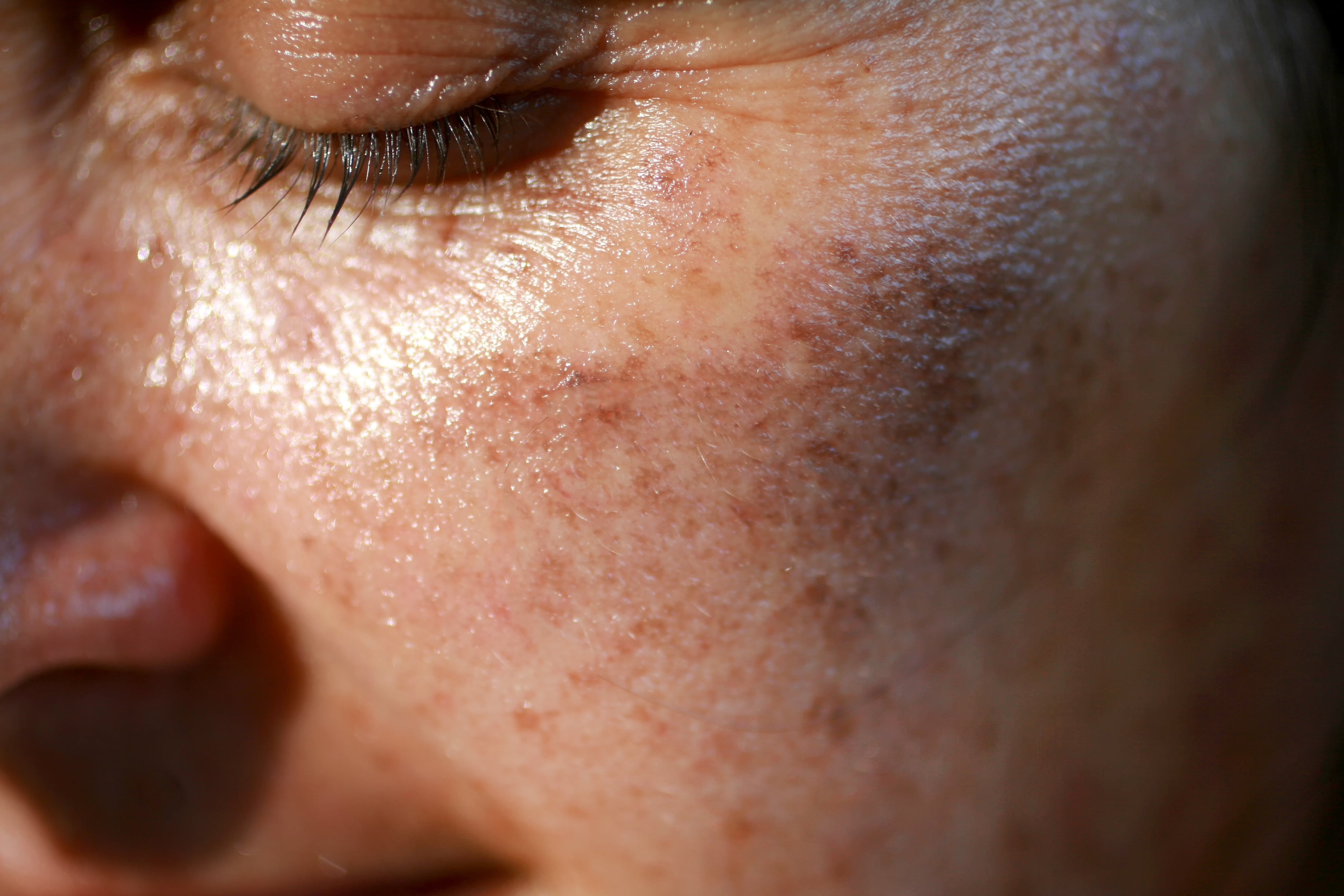
UV radiation is by far the most damaging form of solar radiation, even though it only accounts for the minority of total solar radiation. So what are the other forms of solar radiation, and do we n...

If you're not getting enough nutrients or aren't able to absorb the nutrients you are getting, then how can your skin be healthy? How can you be healthy?